Where Are The Epstein Files?



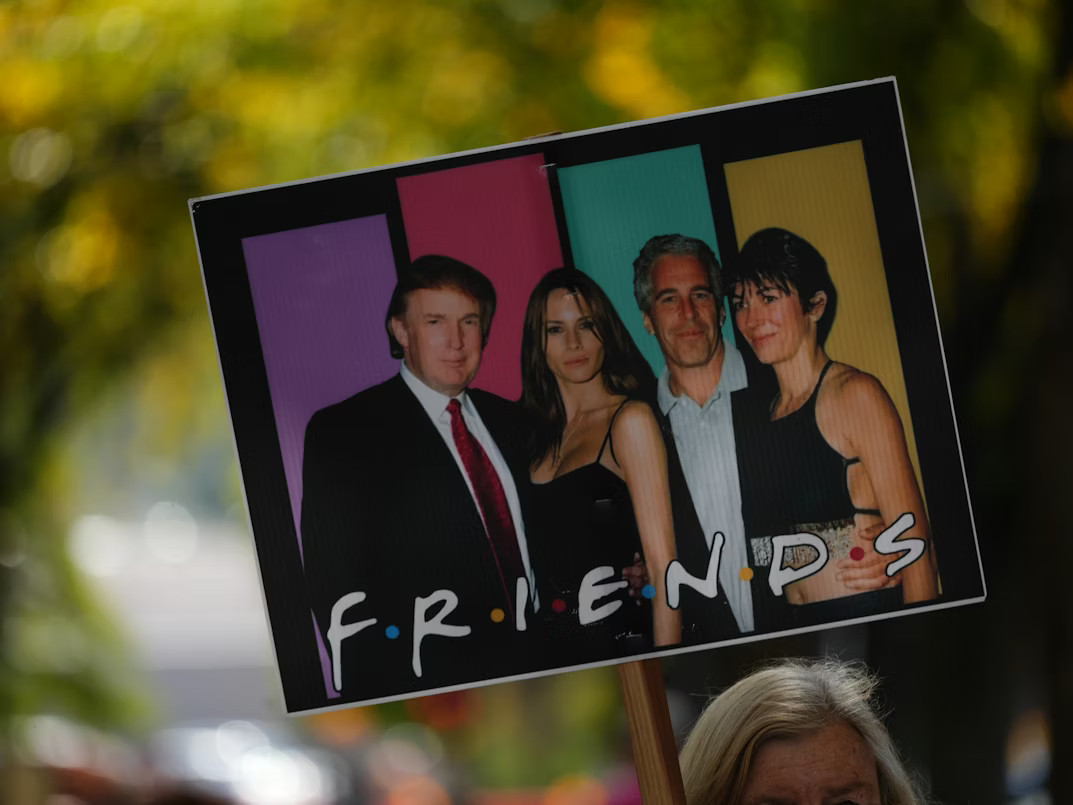
To say that the department of justice is slow-rolling the Epstein files is like saying a supernova is "a bit of an explosion". It's a huge understatement that does not fully express just how much contempt this administration has for the rule of law. You would think a department with "justice" in the title would want to bring exactly that to the numerous victims and survivors that Jeffery Epstein left in his wake, but their inaction tells a much different story. It's, unfortunately, not very surprising that the same DOJ that has been publicly directed to pursue Trump's political opponents would be unwilling to take action against his friends.
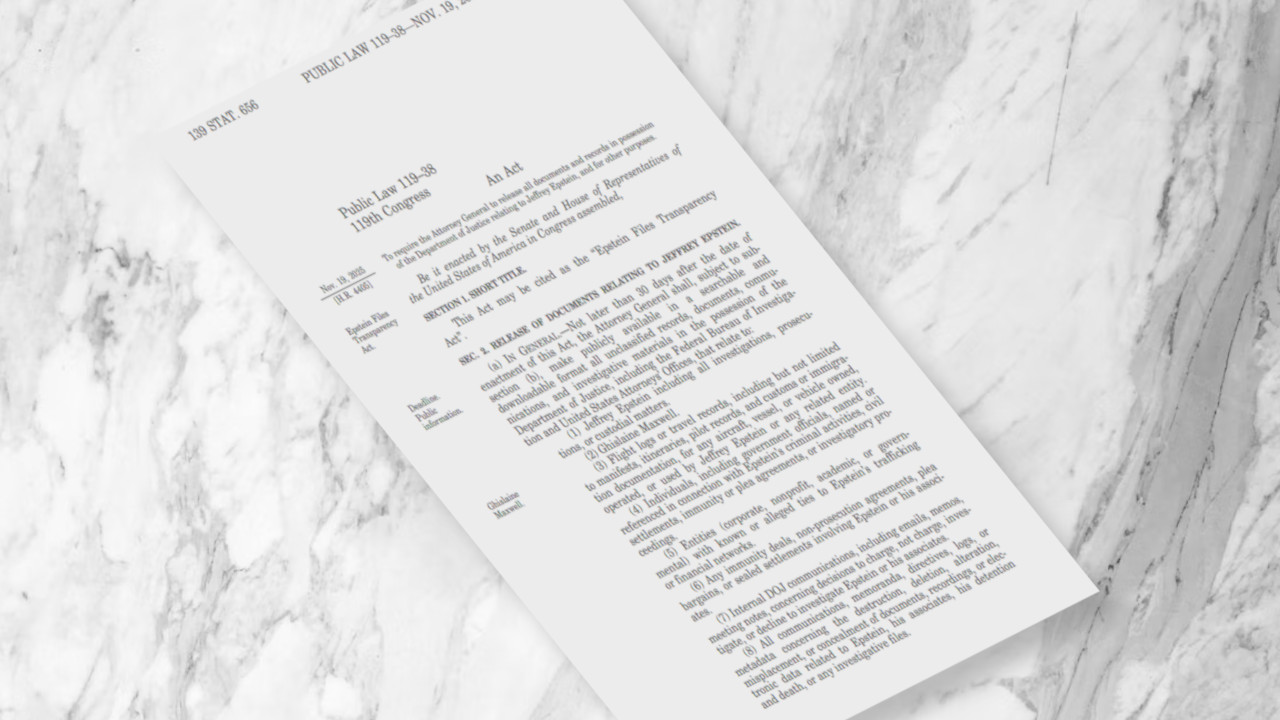
The Epstein Files Transparency Act was first put forward as a bi-partisan discharge petition after speaker of the house Mike Johnson refused to take a vote on releasing the files related to Epstein's crimes. Despite campaign rhetoric by Trump, where he riled up his base with the promise of exposing this criminal cabal, these promises seemed to evaporate once he got back in office. He made one outrageous move after another which kept lawmakers and the public on their toes for months. While everyone was focused on trade wars, threats to the sovereignty of allies, the price of eggs, and Saudi Boeings, Epstein still festered in the back of the minds of many. Two of those individuals were the ones who ended up setting the groundwork for what eventually became the Epstein Files Transparency Act: Ro Khanna (D - California) and Thomas Massie (R - Kentucky).
The EFTA passed the house on November 18, 2025 in a (almost) unanimous fashion. It then passed the senate the next day through a procedural tool known as "unanimous consent". This tool allows bills to be fast-tracked through the chamber without the usual rules and processes. That's when it landed on Trump's desk and everyone held their breath. Though, in a move that shocked many, Trump signed the act into law the very same day.
The now-law gave the department of justice 30 days to "make publicly available in a searchable and downloadable format" all the files related to the investigation of Jeffery Epstein. This should not have been a problematic timeline as past reporting had shown that the DOJ had already enlisted over a thousand agents to pour over the documents and perform redactions (which many speculated mainly focused on scrubbing instances of Trump's name). However, the deadline came and went with only a portion of the files being released. This was not only disappointing, but had now entered the realm of unlawfulness. The question is: who is going to hold the department of justice accountable for breaking the laws that they exist to enforce?
After many weeks since the deadline more documents had been slowly rolled out, however, reports show that this is just a small fraction (according to some sources around 1%) of the totality. The lack of files is not the only concern. The heavy redactions of what are clearly names and references to potential co-conspirators have also brought a lot of scrutiny to the DOJ. The authors of the act had anticipated this and specified: "No record shall be withheld, delayed, or redacted on the basis of embarrassment, reputational harm, or political sensitivity, including to any government official, public figure, or foreign dignitary.", and this part of the law has clearly been violated. It didn't take the public long to notice that some files could be easily unredacted by simple copying and pasting the redacted text. This showed that many redactions that were made were not in the interest of protecting victims and survivors as the law clearly states, but rather wealthy and powerful elites, the ones who were meant to be exposed by the act in the first place.
We have not received any new tranches of documents since December 21, 2025. Since then we have seen the ousting of Venezuela's illegitimate leader in an explosive raid on the country, a huge push on "immigration enforcement" that has left at least two American citizens dead at the hands of I.C.E. agents, threats to the sovereignty of NATO allies, and a potential U.S. - Iranian war over their treatment of protestors. I don't want to speculate and dwell on conspiracies, but I do find it interesting, to say the least, that while all this is going on the EFTA seems to have gotten pushed further down the priorities list of not the administration, but the public consciousness as well.
