Congressional Delegation Does Little To Quell Fears Of Greenlanders




Today, a bi-partisan U.S. congressional delegation traveled to Greenland to show their support. The delegation led by senators Lisa Murkowski (R-AK) and Chris Coons (D-DE) went to deliver a message that even though the executive branch may have its eyes on the sovereign territory, the co-equal congressional branch does not.
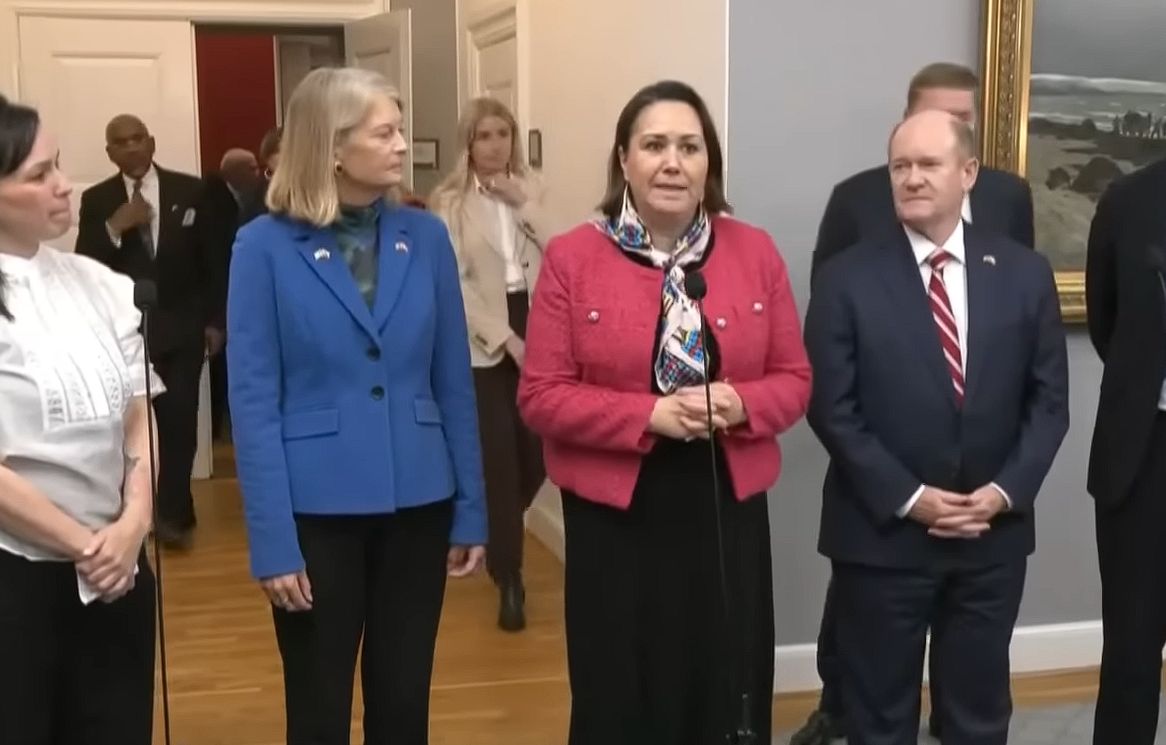
In a presser after the meeting with Greenlandic and Danish officials, the senators appeared to do very little to answer the one question reporters had for them: "What can you do about it?". A valid question that should have been expected, but when asked essentially the same question by three different reporters in three different ways it became clear that the answers given by the U.S. delegation were unsatisfactory.
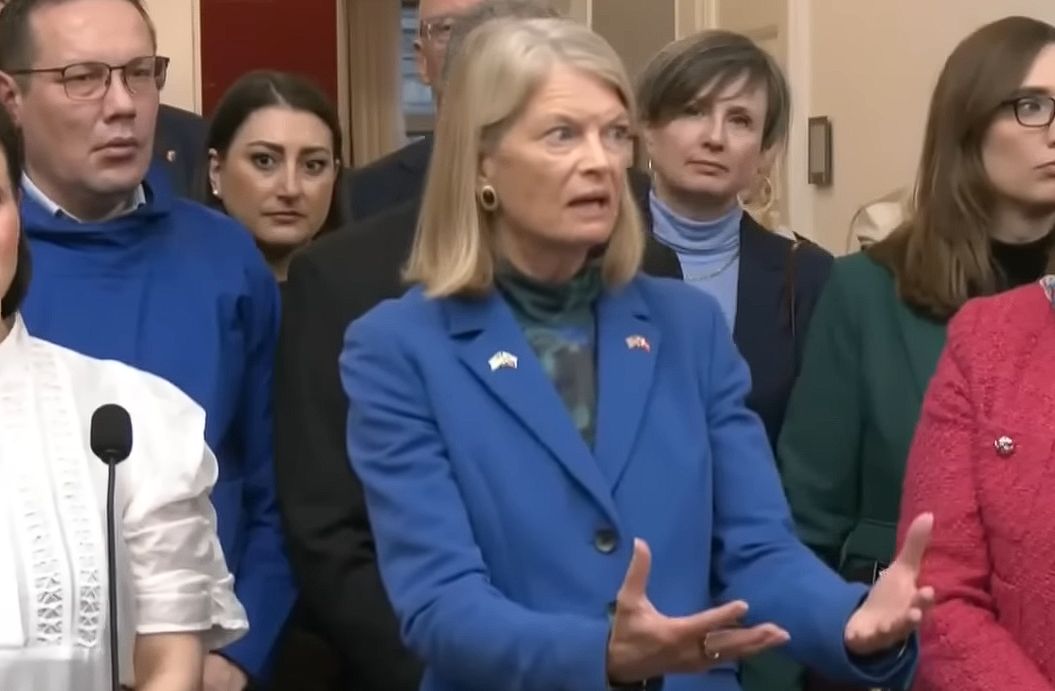
Murkowski tried to explain the three co-equal branch system of government in the U.S. and how congress makes decisions, particularly regarding appropriations, that are intended to serve the will of their constituents. In a recent CNN poll, 75% of Americans disagree with the president regarding the US's need of the arctic island. So it is clear that appropriating funds to such an endeavor would go against the will of a large majority of Americans. However, Trump's rhetoric regarding acquiring the land "by any means" has been steadfast. This unwavering ambition has, rightly so, made the Greenlandic population uneasy to say the least. This, I feel, is why the press there seemed to have a difficult time accepting this delegation's presence as anything more than a show of solidarity.
The bi-partisan nature of this delegation should be taken into consideration. It is hard to get Democrats and Republicans to agree on anything. My young children seem to find common-ground more often than U.S. lawmakers. So for them to come together does show just how unpopular the idea of America invading the land of a NATO ally is. Not that it should be very hard to realize just how stupid and destructive this action would be, there is still a disturbing number of high-level government officials who seem to think it's a good idea.
